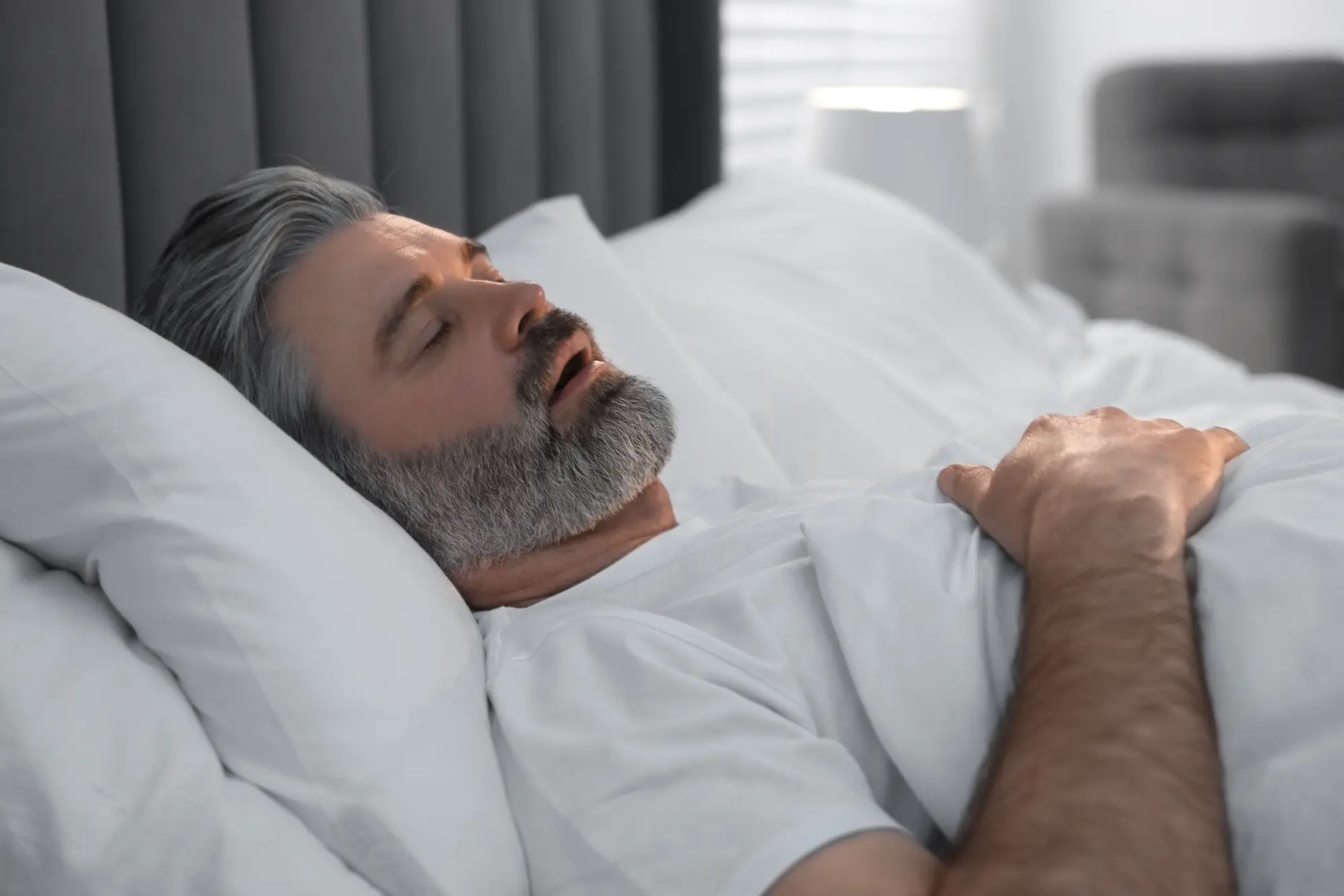
How Does an Oral Appliance Mechanically Prevent Upper Airway Collapse During Sleep in Appleton?

Struggling with disrupted sleep and waking up still feeling tired? Sleep apnea can be more than an inconvenience. It affects every aspect of your life, from your health to your focus during the day. If you’ve been avoiding bulky CPAP machines, there’s good news! A custom oral appliance may offer you the relief and rest you deserve.
But how does this compact solution physically prevent airway collapse during sleep? Let’s break it down and explore how Valley Sleep and Airway in Appleton can help you breathe and sleep better, comfortably.
What Happens to Your Airway During Sleep Apnea?
To understand how an oral appliance helps, it’s important to first know what’s happening in your body during sleep apnea. Obstructive sleep apnea (OSA) occurs when the muscles in the back of your throat relax too much.
This relaxation causes your airway to narrow or close, temporarily stopping you from breathing and waking your body out of deep sleep cycles. These repeated interruptions not only rob you of restorative rest but also increase your risk of serious health conditions like high blood pressure, heart disease, and diabetes.
Left untreated, sleep apnea isn’t just about snoring or grogginess. It’s a condition with far-reaching consequences. Beyond daytime fatigue, it can lead to mood changes, memory problems, and a higher likelihood of dangerous incidents like drowsy driving. That’s why finding an effective treatment solution makes such a difference in both your health and quality of life.
How Oral Appliances Work to Keep Your Airway Open
At first glance, these appliances may look similar to a mouthguard, but they're quite different from athletic mouthguards or nighttime mouthguards for teeth grinding. These custom oral appliances are designed to gently reposition your jaw and tongue during sleep. This adjustment ensures that your airway remains open and unobstructed throughout the night.
The Science Behind Jaw Repositioning
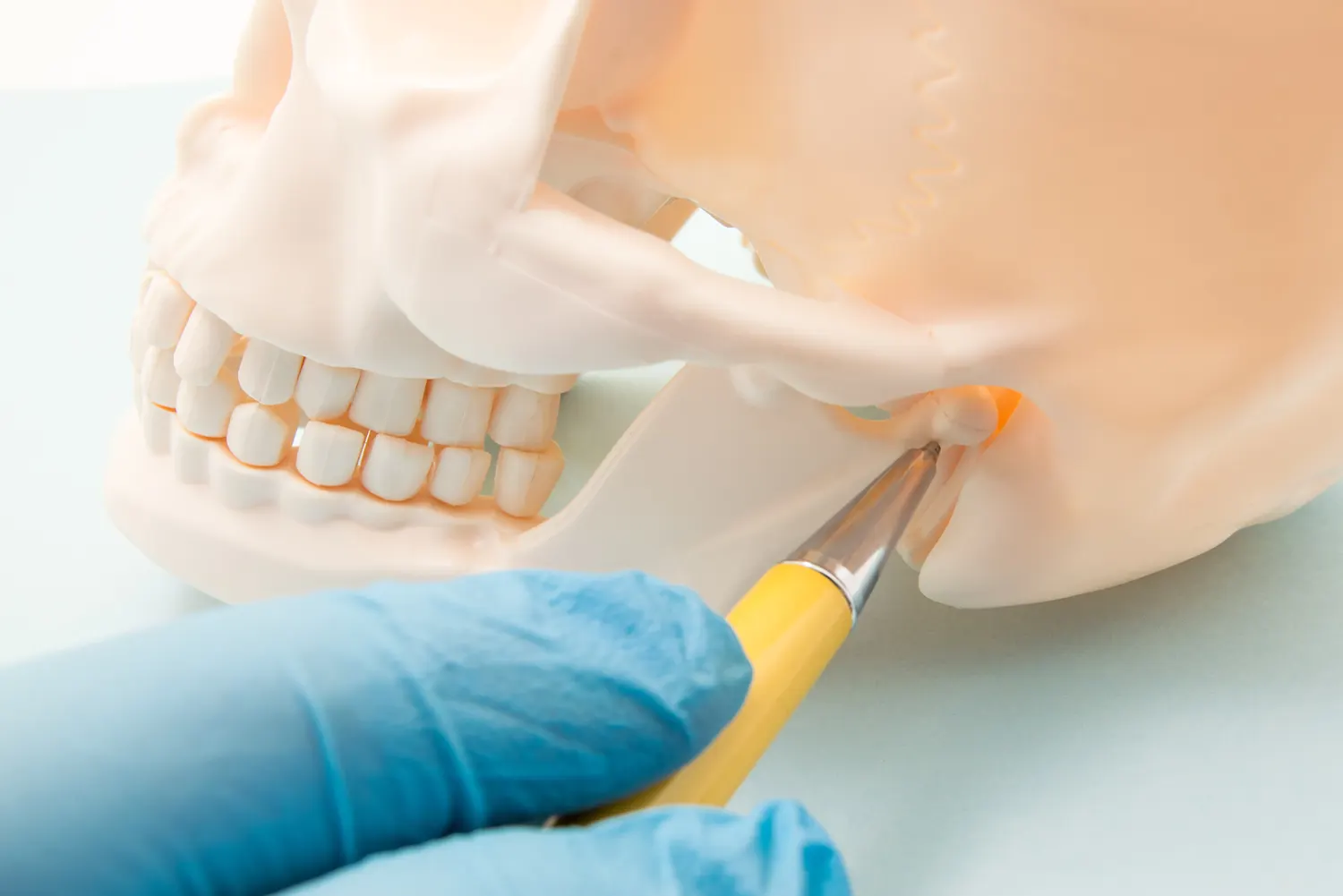
An oral appliance works by advancing the lower jaw slightly forward, a technique known as mandibular advancement. This forward position helps to:
- Prevent soft tissue in the throat and tongue from collapsing into the airway.
- Reduce the vibration of tissues that leads to snoring.
- Encourage steady airflow, which minimizes sleep disruptions.
Personalized Treatment for Maximum Impact
Each oral appliance is fully customized to your unique anatomy. During your visit to Valley Sleep and Airway in Appleton, Dr. Alissa Edwards performs a comprehensive assessment to map out the relationship between your jaw, airway, and throat muscles to ensure a precise fit. This tailored approach enhances effectiveness while maintaining maximum comfort. There are no one-size-fits-all solutions here!
Key Benefits of Oral Appliance Therapy
Patients often find oral appliances to be an ideal alternative to CPAP machines. Here’s why:
- Comfortable and Discreet: Lightweight and compact, oral appliances don’t require masks, tubing, or a noisy machine by your bedside.
- Ease of Use: They’re non-invasive and easy to care for. Just pop them in before bed and wake up feeling refreshed.
- Highly Effective for Mild to Moderate OSA: Studies have shown that oral appliance therapy significantly reduces both snoring and nighttime airway obstructions for those with mild to moderate sleep apnea.
- Travel-Friendly: Unlike CPAP machines, oral appliances are small enough to fit in your pocket, making them ideal for travel or nights away from home.
- Covered by Medical Insurance: Many patients can benefit from medical insurance coverage, a service Valley Sleep and Airway helps facilitate with direct billing to reduce your out-of-pocket costs.
Frequently Asked Questions About Oral Appliance Therapy
Is an oral appliance right for me if I can’t tolerate CPAP?
Yes! Oral appliances are often recommended for patients who find CPAP machines uncomfortable or disruptive to their lifestyle. They’re especially effective for individuals with mild to moderate obstructive sleep apnea and can also be used in combination with other treatments for severe cases.
How long does it take to notice results?
Many patients report improvements in sleep quality and reduced snoring within the first few days of use. Long-term success depends on consistent use and any necessary adjustments, which Dr. Edwards monitors closely during follow-up visits.
Are there any side effects of wearing an oral appliance?
Some patients may experience mild jaw or teeth discomfort during the adjustment period, but these symptoms typically subside as your muscles adapt. If they persist, adjustments can be made for a perfect fit.
Why Choose Valley Sleep and Airway For Treatment?
At Valley Sleep and Airway, we’re committed to providing a seamless, patient-first experience. Unlike piecemeal treatment options that require visits to multiple providers, our in-house process includes everything from sleep testing to oral appliance therapy, all conveniently under one roof.
Not only that, but we can collaborate directly with your primary care doctor or ENT to ensure care is holistic, coordinated, and tailored to your needs. To reduce stress and paperwork, our team also handles direct medical insurance billing.
With Dr. Alissa Edwards leading your care, you’ll benefit from years of expertise and an outcome-driven approach that prioritizes both your comfort and long-term wellness. Whether you’ve already received a sleep apnea diagnosis or are exploring options for a better night’s rest, we’re here to guide you every step of the way.
Take the Next Step Toward Better Sleep Today
You don’t have to let sleep apnea continue to affect your life, health, and happiness. Discover how a custom oral appliance can help you regain restful nights and energetic days. Call Valley Sleep and Airway at (920) 931-2055 to schedule your consultation or contact us online to get started. Relief is only one step away. Your journey to better sleep begins here.
Share this post
Explore more blogs
How Custom Neuromuscular Orthotics Relieve Chronic Jaw Clicking and Joint Compression

Can Orofacial Myofunctional Therapy Reduce Upper Airway Tissue Collapse in Appleton?