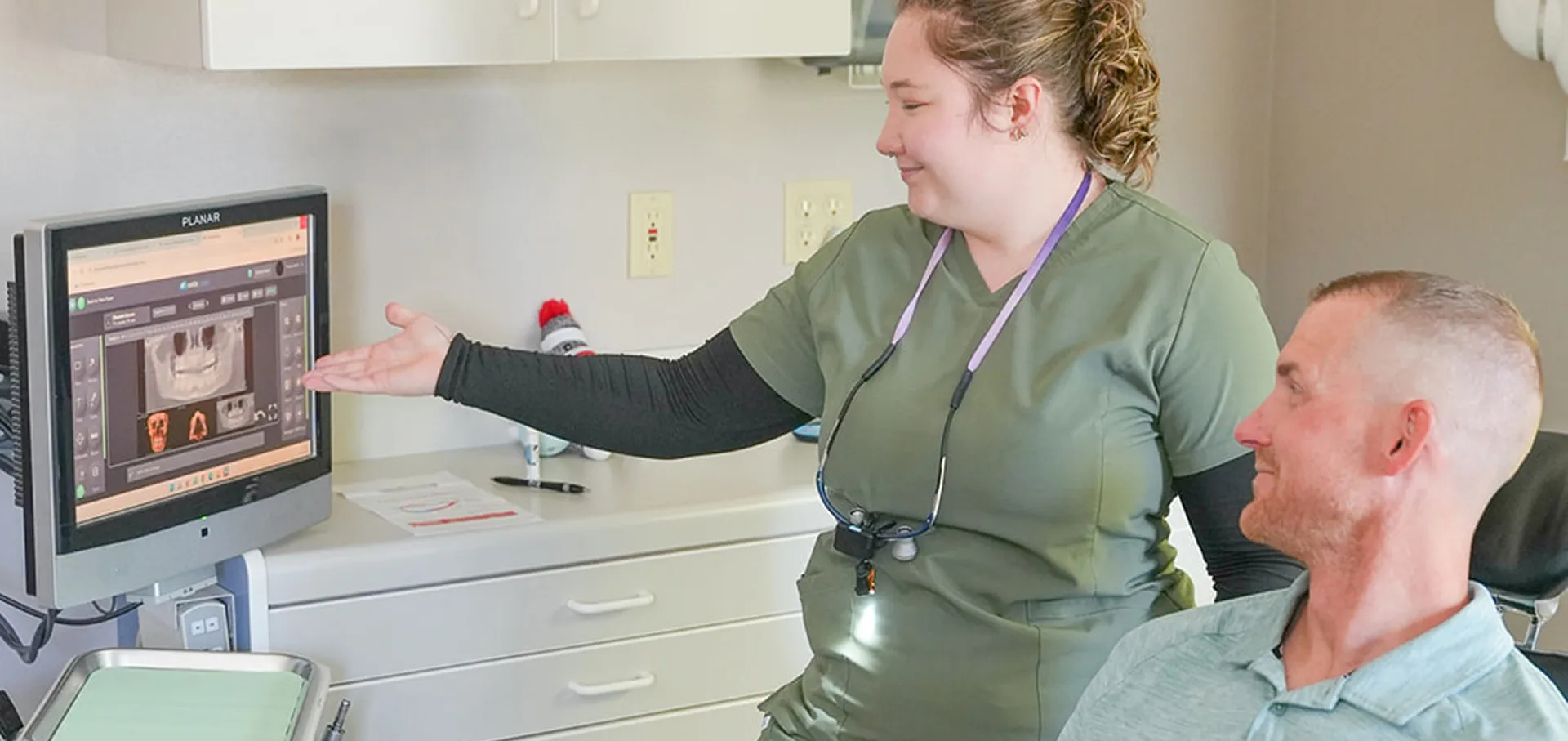
Sleep apnea & snoring therapyin Appleton, WI
If you’ve struggled with a CPAP or haven’t yet found the right sleep apnea solution, we can help. Our in-house sleep therapy is simple, personalized, and built around your long-term comfort and health.
.webp)
What is sleep apnea and how is it treated?
Obstructive sleep apnea is a common condition where breathing repeatedly stops during sleep due to airway blockage. At Valley Sleep and Airway, we offer a unique approach. Screening, testing, diagnosis, and treatment all happen right here in our office. You won’t have to juggle multiple referrals or deal with confusing next steps.
We often work with patients who’ve already tried CPAP therapy and found it uncomfortable or unsustainable. Others come to us newly diagnosed, looking for an easier, effective alternative. Our custom-made oral appliances are designed to help you sleep better by keeping your airway open, with less hassle and more support from our team. Our children's airway dentists are also available to help identify airway-related concerns early and support healthier sleep and breathing as they grow. We also bill medical insurance and coordinate with your medical providers to make your care as seamless as possible.
The benefits of sleep apnea therapy
Treating sleep apnea doesn’t just help you sleep. It can improve your energy, focus, mood, and long-term health. Whether you’re CPAP intolerant or newly diagnosed, our oral appliance therapy offers a proven alternative that fits your life.

Relief without the CPAP
Oral appliances are small, quiet, and easy to wear. They’re ideal for patients who find CPAP machines uncomfortable or difficult to use.
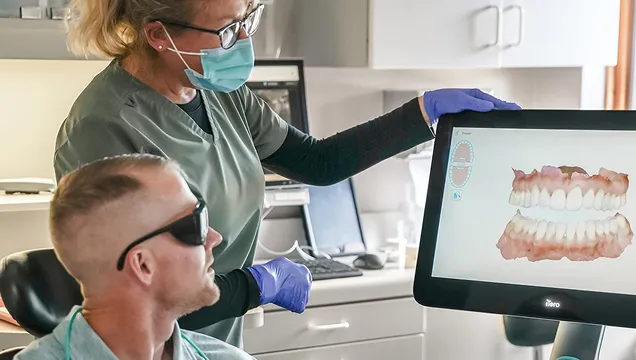
All-in-one care
We handle everything in-house, from testing to treatment, so your care is simple, coordinated, and fully supported.
Medical insurance billing
We work with your insurance directly and provide all the necessary documentation for pre-authorization and approval.
How untreated sleep apnea affects your body
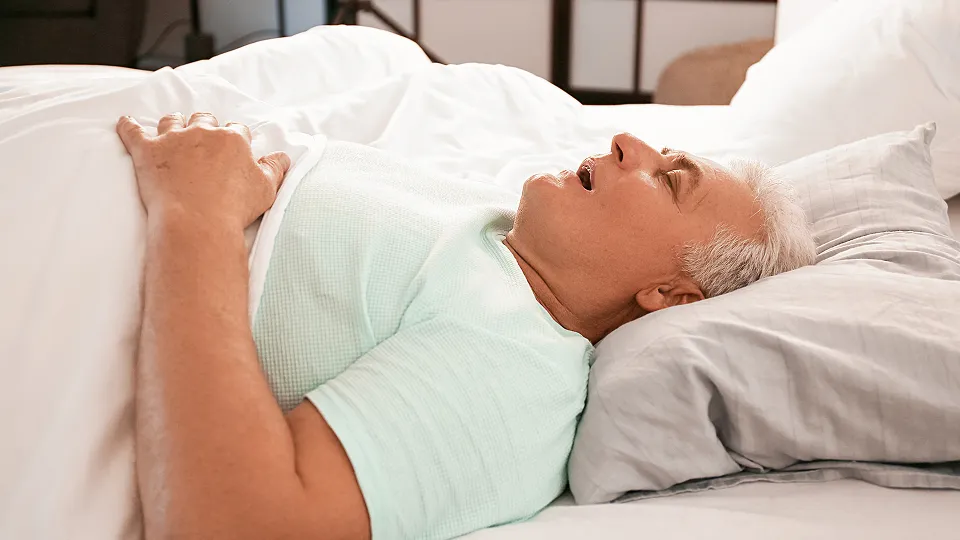
Sleep apnea doesn’t just affect your sleep. It can impact your entire body, and in many cases, your mouth may show signs of a problem before you even realize it’s there.
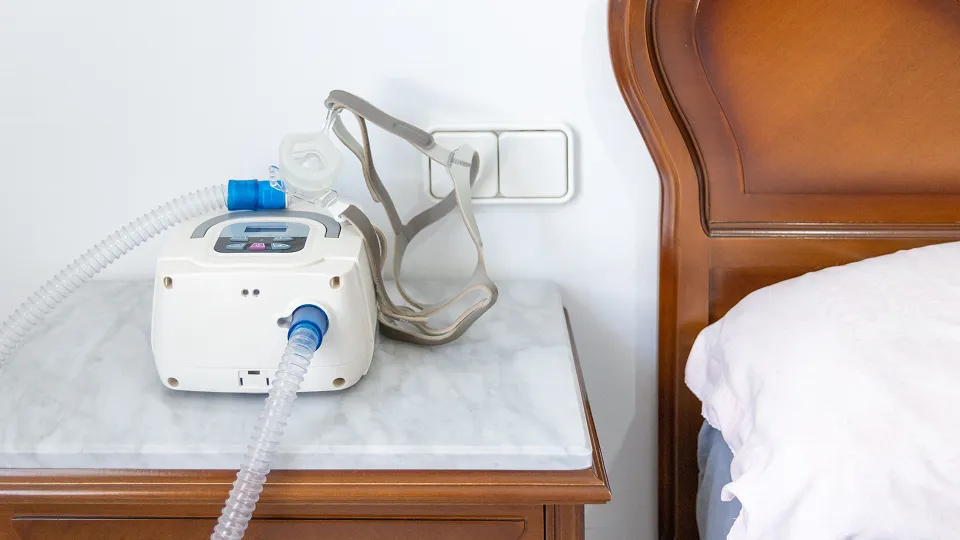
The risks of untreated sleep apnea
When left untreated, sleep apnea can contribute to serious health conditions, including:
- High blood pressure and heart disease
- Stroke and increased risk of blood clots
- Type 2 diabetes and insulin resistance
- Memory loss, mood changes, and brain fog
- Chronic fatigue, headaches, and weight gain
These effects build over time, which is why early treatment is so important—even if you don’t think your symptoms are “that bad.”
What your mouth may be showing you
Your oral health can give early clues that your airway might be compromised. Common red flags include:
- Teeth grinding or clenching at night
- Worn, cracked, or broken teeth
- Mouth breathing or chronic dry mouth
- Inflamed or irritated gums
These signs are often mistaken as “just dental issues,” but they may be part of a bigger sleep or airway problem. That’s why Dr. Edwards looks beyond the teeth to see what your body might be trying to tell you.

Our sleep apnea treatments
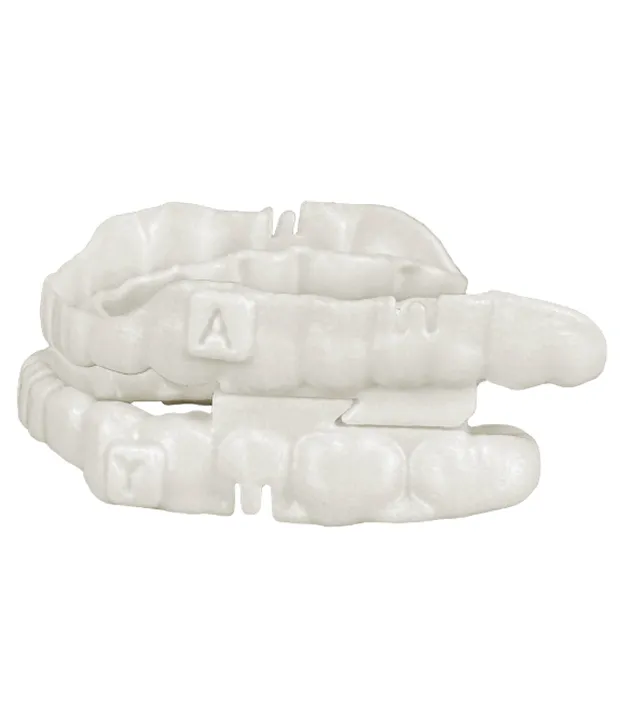
Oral appliance therapy is a comfortable, non-invasive way to treat obstructive sleep apnea. These custom-fit devices are worn during sleep to gently reposition the jaw and keep the airway open. At Valley Sleep and Airway, we use digital scans to ensure a precise fit without the mess of impressions. We also monitor your progress over time and make any necessary adjustments to ensure your therapy stays effective. Our team is trained to recognize and address any side effects involving your bite, jaw, or muscles, something many providers aren’t equipped to do.
Oral appliance therapy is a comfortable, non-invasive way to treat obstructive sleep apnea. These custom-fit devices are worn during sleep to gently reposition the jaw and keep the airway open. At Valley Sleep and Airway, we use digital scans to ensure a precise fit without the mess of impressions. We also monitor your progress over time and make any necessary adjustments to ensure your therapy stays effective. Our team is trained to recognize and address any side effects involving your bite, jaw, or muscles, something many providers aren’t equipped to do.
Oral appliance therapy is a comfortable, non-invasive way to treat obstructive sleep apnea. These custom-fit devices are worn during sleep to gently reposition the jaw and keep the airway open. At Valley Sleep and Airway, we use digital scans to ensure a precise fit without the mess of impressions. We also monitor your progress over time and make any necessary adjustments to ensure your therapy stays effective. Our team is trained to recognize and address any side effects involving your bite, jaw, or muscles, something many providers aren’t equipped to do.
Oral appliance therapy
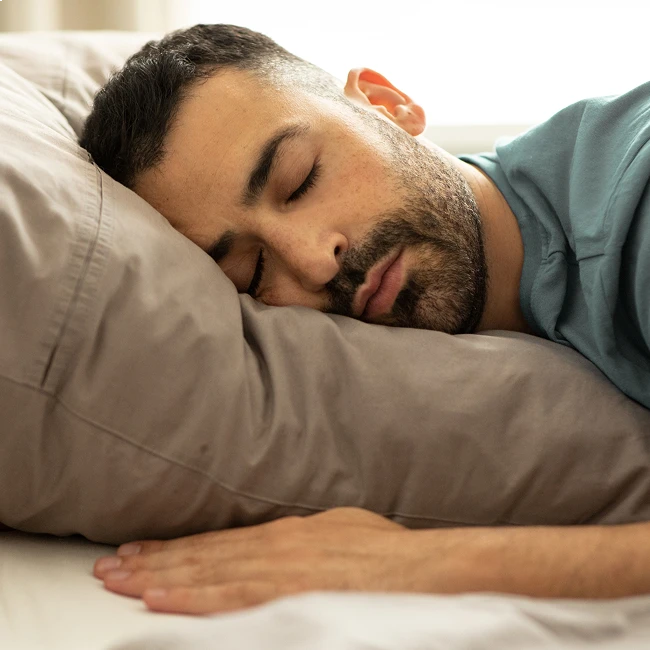
For patients who haven’t yet been diagnosed, we offer easy-to-use home sleep tests. These portable, comfortable devices allow you to sleep in your own bed while collecting critical data about your breathing and sleep quality. The test is interpreted by a board-certified sleep pulmonologist, usually within 24 hours. This allows us to quickly determine whether you’re a candidate for oral appliance therapy and begin moving forward with treatment.
At-home sleep testing
The sleep apnea treatment process
01
Diagnosis or consult
If you’ve already been diagnosed with sleep apnea, we’ll start with a consultation to determine if oral appliance therapy is right for you. If you haven’t been diagnosed, we’ll provide a home sleep test to get the answers you need.
02
Medical insurance and workup
Our front office team will coordinate directly with your medical insurance to get the necessary approvals. Then, you’ll return for a comprehensive sleep workup where we evaluate every tooth, tissue, and airway structure needed for treatment planning.
03
Appliance delivery and follow-up
We use digital scans to create your custom appliance, no impressions needed. Once your device is ready, we’ll fit it and walk you through how to use it. You’ll receive follow-up care to ensure it’s working well and adjusted to your needs.
Frequently Asked Questions
Curious about how sleep apnea treatment works here? Read on for answers to our most common patient questions.
CPAP machines use pressurized air to keep your airway open, which many patients find uncomfortable or disruptive. Oral appliances reposition your jaw slightly forward to prevent airway collapse in a more comfortable, quiet, and travel-friendly way.
Yes, many medical insurance plans cover oral appliances for sleep apnea, especially if CPAP has been tried or ruled out. Our team works with your insurance to handle pre-authorizations and documentation on your behalf.
No problem. We offer simple home sleep testing so you can get answers quickly and comfortably. If your test confirms obstructive sleep apnea, we’ll walk you through your treatment options and handle the next steps.
Still Have Questions?
Call us for more information or to schedule a consultation.