But Does It Work? The Real Science Behind Mandibular Advancement Devices (MADs) for Sleep Apnea

If you’re tired of feeling exhausted every morning or struggling with the frustration and discomfort of traditional CPAP machines, you’re not alone. For many people battling sleep apnea, finding an effective, hassle-free solution feels like an uphill battle. But what if there was another way, one that’s backed by science and proven to work?
Enter mandibular advancement devices (MADs), a simple but powerful option for treating obstructive sleep apnea (OSA). Let’s uncover the science behind these devices and why they might be the answer you’ve been searching for.
What Are Mandibular Advancement Devices (MADs)?
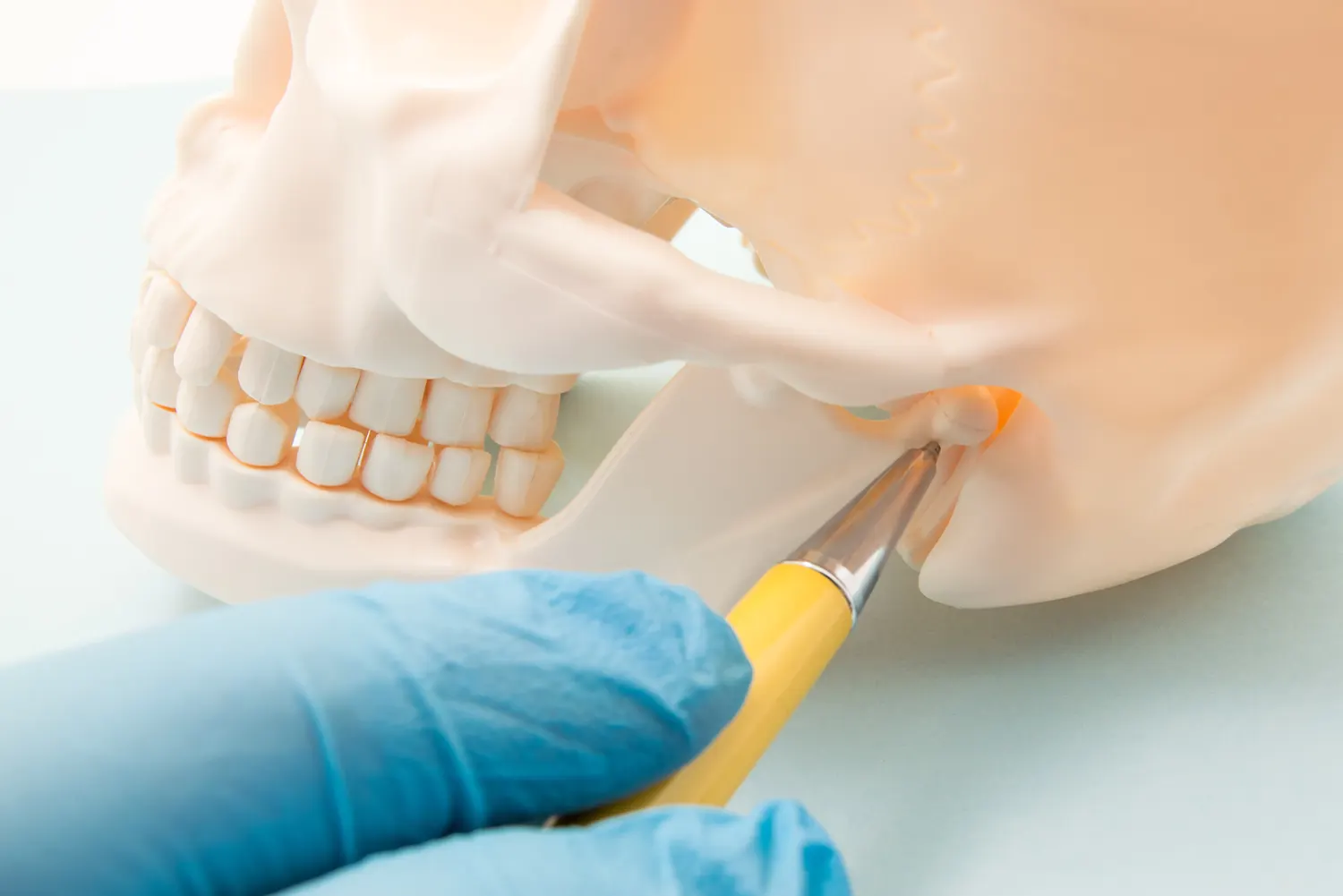
Mandibular advancement devices are custom-fitted oral appliances designed to treat obstructive sleep apnea. These devices gently reposition the lower jaw (mandible) forward during sleep, which keeps the airway open and prevents the collapse that leads to snoring and interrupted breathing.
Ideal for mild to moderate cases of sleep apnea, MADs are a non-invasive, user-friendly alternative to traditional CPAP machines. The team at Valley Sleep and Airway in Appleton, WI, led by Dr. Alissa Edwards, specializes in providing tailored solutions like custom MAD therapy, guiding patients toward better sleep and relief from chronic fatigue.
How Do MADs Work for Sleep Apnea?
The effectiveness of mandibular advancement devices lies in their simplicity and strategic design. Here’s how they work:
- Jaw Positioning: By gently advancing the lower jaw, MADs increase the size of the upper airway, reducing resistance and the likelihood of airway collapse.
- Improved Airflow: As the airway remains open, oxygen flow to the body and brain improves, diminishing sleep disturbances and associated risks.
- Reduced Snoring: Stable airways mean fewer vibrations, significantly decreasing or even completely eliminating snoring for most users.
Studies have shown that MADs can reduce sleep apnea symptoms in up to 75% of patients with mild to moderate OSA, making them a trusted alternative to bulkier options like CPAP machines.
Who Can Benefit from MAD Therapy?
Mandibular advancement devices could be the right fit if you:
- Struggle with wearing a CPAP machine due to discomfort, noise, or maintenance
- Have been diagnosed with mild to moderate obstructive sleep apnea
- Are looking for a portable, travel-friendly solution for sleep apnea management
- Want to improve your sleep quality while reducing snoring
Dr. Alissa Edwards at Valley Sleep and Airway takes a personalized approach, starting with a thorough sleep evaluation to determine whether MAD therapy is the best option for your needs. The practice also offers sleep dentistry for children Appleton, WI families can turn to when concerns such as snoring, airway issues, or disrupted sleep affect younger patients. With end-to-end care all in one location, patients can rest assured knowing they’re supported at every step.
Benefits of Mandibular Advancement Devices
Switching to a mandibular advancement device offers many advantages beyond better sleep. Here’s why these devices are gaining popularity:
- Custom Fit: Unlike generic options, MADs provided by Valley Sleep and Airway are custom-made to fit your unique dental structure, ensuring maximum comfort and effectiveness.
- Ease of Use: With no machines, cords, or water chambers to manage, getting started with MAD therapy is refreshingly simple.
- Discreet and Portable: Small and lightweight, these devices are easy to pack for trips without interrupting your treatment.
- Better Compliance: MAD users report higher treatment adherence compared to CPAP users, a crucial factor for long-term success.
- Insurance Coverage: Many medical insurance plans cover MAD therapy, which the team at Valley Sleep and Airway can help you navigate.
Addressing Common Concerns about MADs
If you’re considering MAD therapy, it’s natural to have questions. Here are some common concerns and answers that may help:
Do MADs really work for sleep apnea?
Yes! Clinical studies have shown that MADs are highly effective at treating mild to moderate OSA when properly fitted and customized. Dr. Edwards works closely with patients to ensure their devices are accurately calibrated for maximum results.
Will the device feel uncomfortable?
Like any treatment, there may be an adjustment period, but most patients adapt to MAD use within a few nights. The custom-fit design minimizes discomfort and improves long-term wearability.
Is it a permanent commitment?
MADs are a flexible solution. You can stop using the device at any time or adjust your treatment plan in consultation with your provider.
Why Choose Valley Sleep and Airway for MAD Therapy?
If you’re ready to explore life-changing relief from sleep apnea, choosing the right provider makes all the difference. At Valley Sleep and Airway in Appleton, WI, we strive to make your journey as seamless and stress-free as possible. Here’s how:
- Comprehensive, In-House Care: From your initial consultation to custom device fittings, follow-up adjustments, and long-term monitoring, everything is handled under one roof to save you time and frustration.
- Insurance Billing Support: Navigating insurance can be overwhelming, but our team helps you maximize your benefits and handle billing directly.
- Collaboration with Medical Providers: We coordinate with your primary care physician, ENT, or other specialists to ensure your treatment aligns with your overall health needs.
Take the First Step Toward Better Sleep
You don’t have to let sleep apnea control your life. Mandibular advancement devices offer a proven, easy-to-use alternative to CPAP therapy, helping you regain restful nights and vibrant days.
If you’ve been searching for sleep apnea treatment near me, Valley Sleep and Airway offers personalized care designed around your needs. Dr. Alissa Edwards and our dedicated team are here to guide you every step of the way, from evaluation to ongoing support.
At Valley Sleep and Airway, Dr. Alissa Edwards and our dedicated team are here to guide you every step of the way, from personalized evaluations to ongoing support. Ready to take the first step? Call (920) 931-2055 today to schedule a consultation or learn more about our MAD therapy options. Don’t wait to reclaim the restful sleep you deserve!
Share this post
Explore more blogs
How Custom Neuromuscular Orthotics Relieve Chronic Jaw Clicking and Joint Compression

How Does an Oral Appliance Mechanically Prevent Upper Airway Collapse During Sleep in Appleton?